At Dental Aesthetics Laboratory, we make precision-milled zirconia and implant restorations from your intraoral scans, so sending a case is simple.
Every restoration is digitally designed and handcrafted in our lab by our master ceramist, who has more than 25 years of experience and continues to oversee every case.
Already have a Medit account? Sign in here.
New to us? Use the button below to request portal access. We'll email your office within 1 business day.
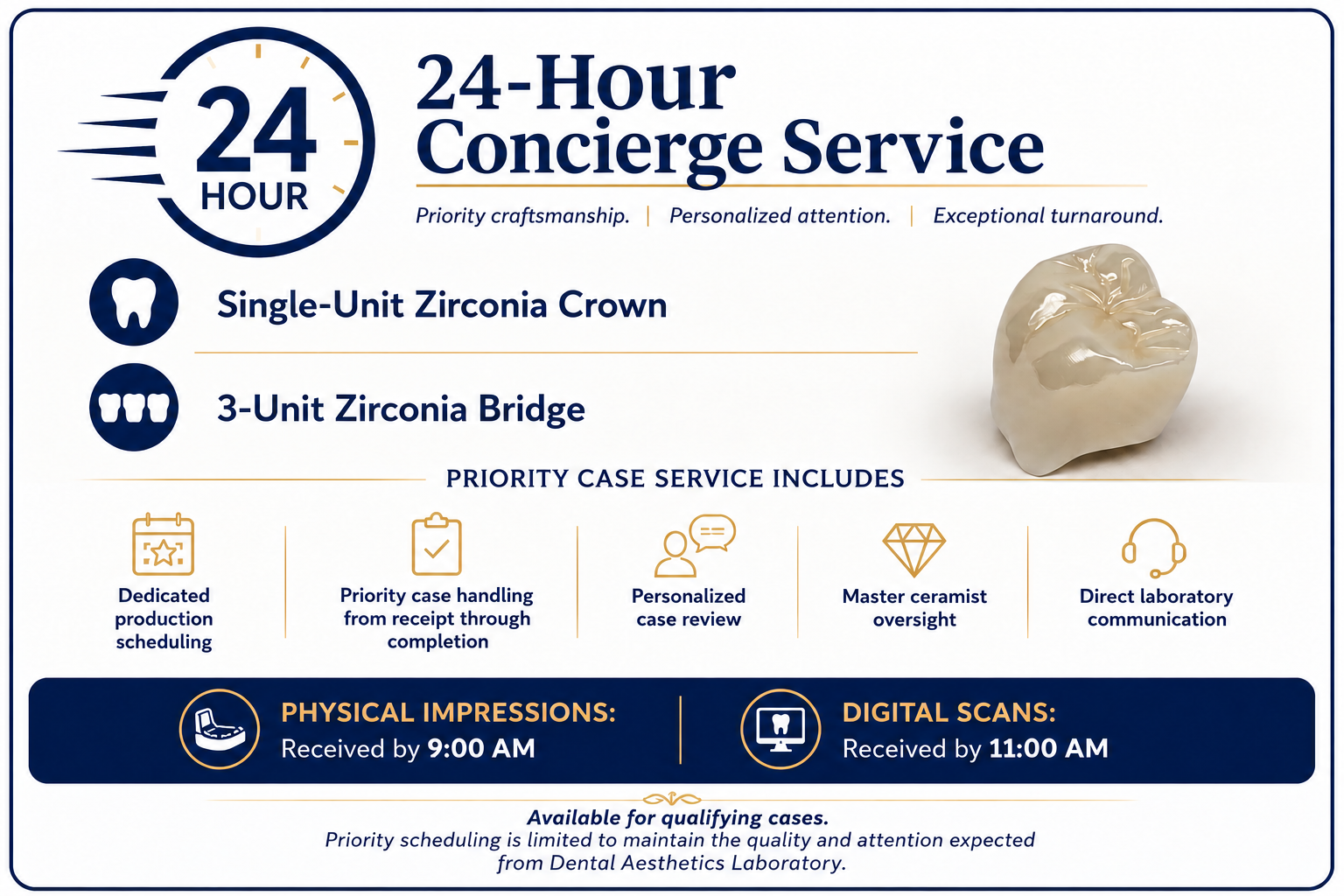
Please note: Our 24-Hour Concierge Service is available for single-unit crowns and bridges of up to 3 units only. Implant restorations and cases with more than 3 units are not included.
Where master craftsmanship meets modern digital dentistry.
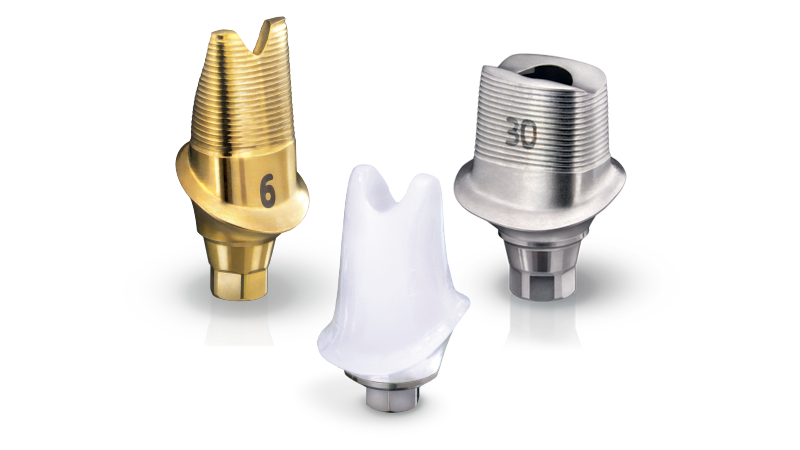
Custom Abutments
Every implant deserves a custom foundation, designed to support a natural emergence profile and a beautifully finished restoration.
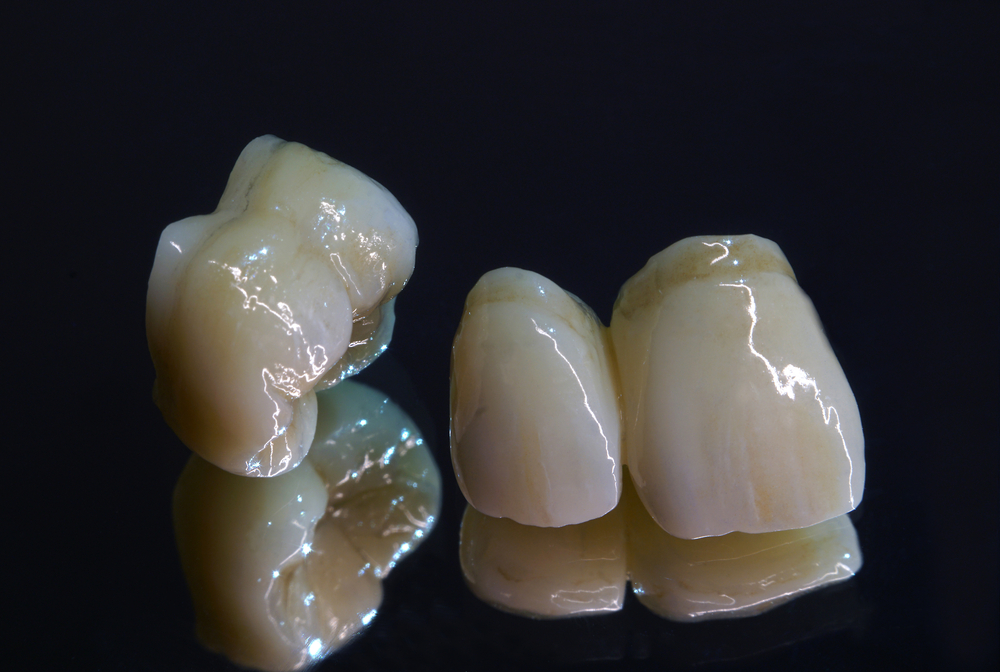
IPS e.max
Bring natural beauty to every smile with lifelike translucency and carefully crafted details that compliment the surrounding teeth.
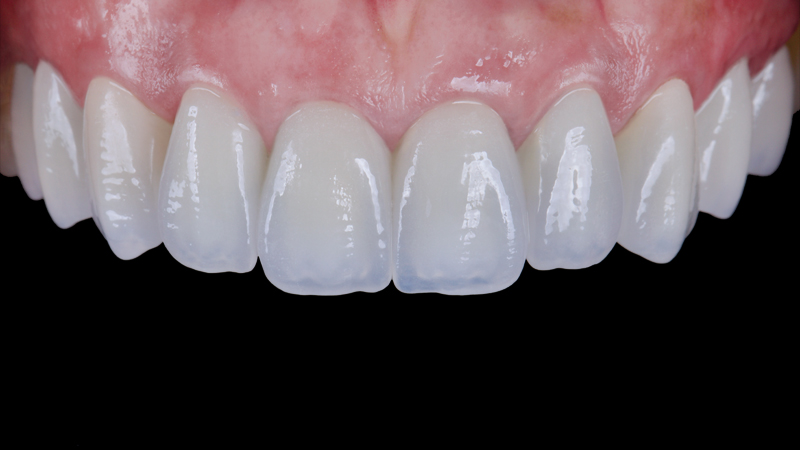
BruxZir® Radiant
Combine zirconia strength with natural aesthetics for restorations that look beautiful and meet the demands of everyday function.
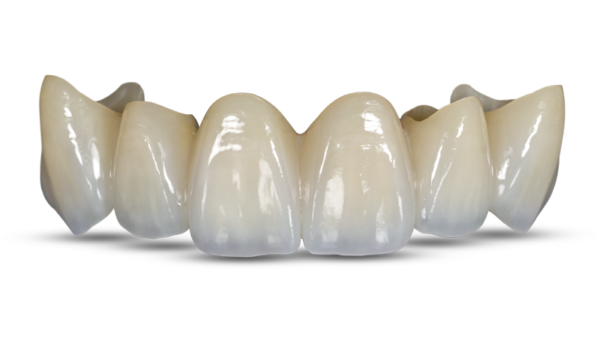
Bilayered Clinical Zirconia
Pair a strong zirconia foundation with carefully layered porcelain for lifelike depth, character, and a natural-looking finish.
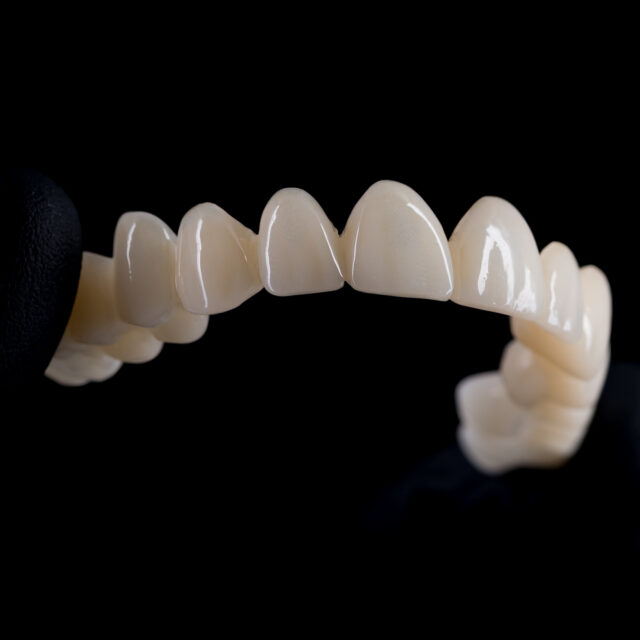
PMMA Temporary Restorations
Give patients a confident smile during treatment with custom temporaries that help refine aesthetics before the final restoration.
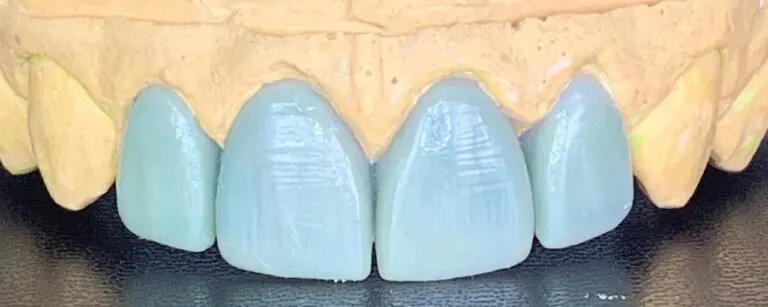
Diagnostic Wax-Ups
Bring the proposed smile into focus, helping you evaluate tooth shape, communicate your vision, and guide treatment planning.
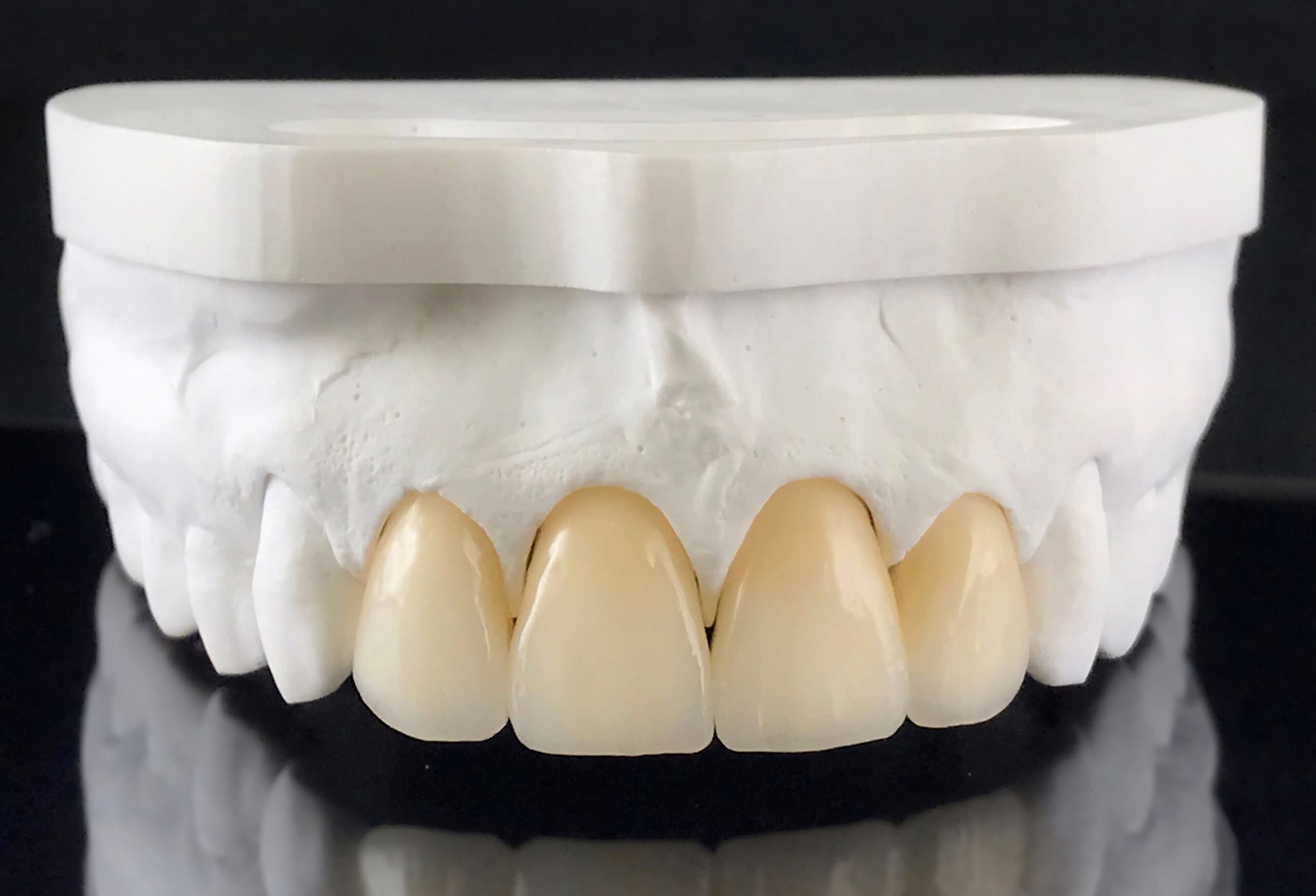
Monolithic Zirconia
Create confident smiles with full-contour zirconia restorations, crafted for dependable strength, precise fit, and a natural appearance.
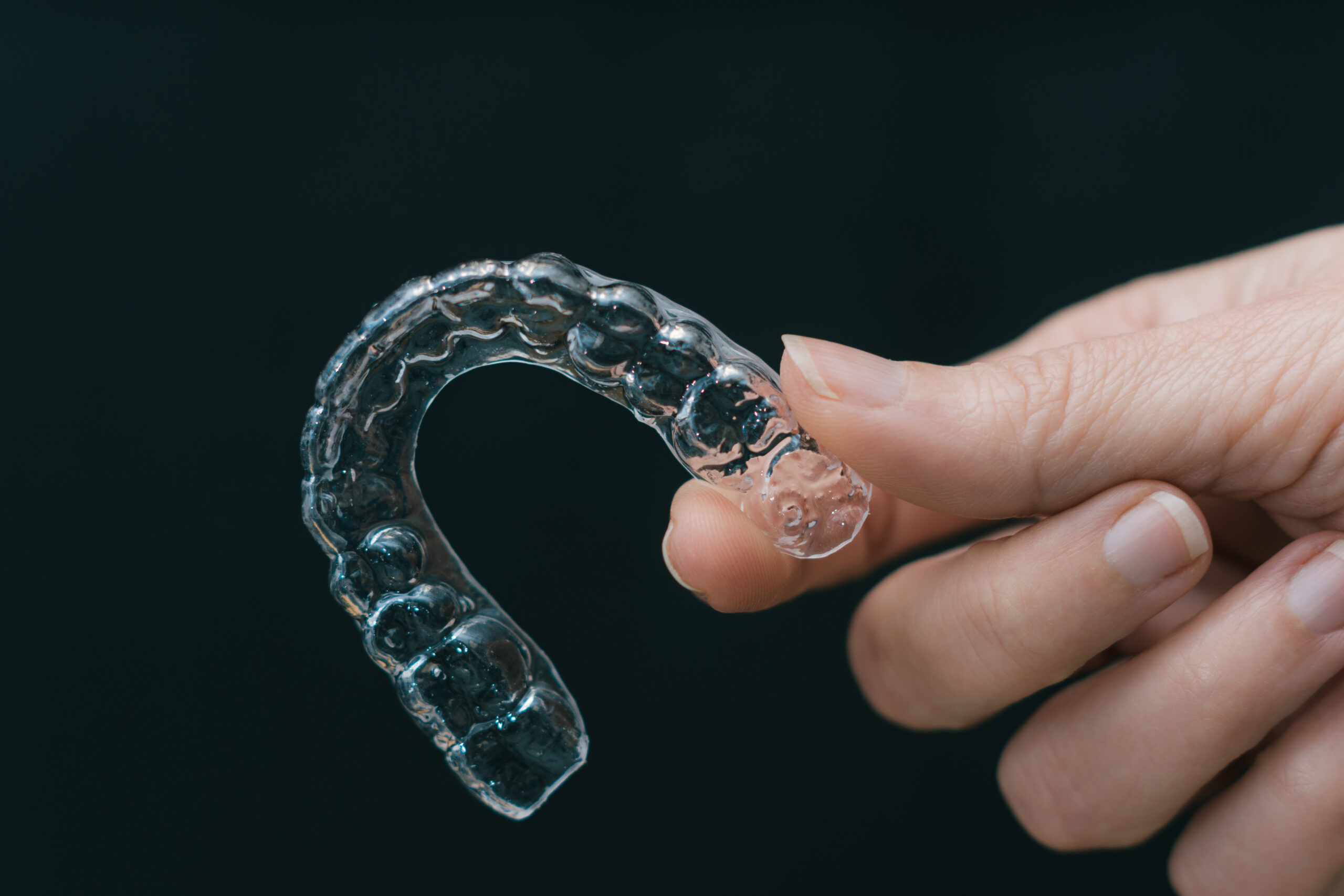
Custom 3D-Printed Night Guards
Help protect your patients’ smiles with custom 3D-printed night guards, designed for a comfortable fit and nightly wear.
Precision at Every Stage
From case submission to final delivery, every restoration is executed with accuracy, consistency, and control—guided by advanced digital workflows. Backed by over 25+ years of ceramic expertise, each case reflects a standard of precision developed through decades of craftsmanship.
1. Send Your Scans with Confidence
Submit intraoral scans directly through our portal by 11:00 AM for same-day case initiation. Cases can be sent via the MEDIT Link platform by selecting Dental Aesthetics Laboratory as your preferred lab.
For flexibility, STL, PLY, and OBJ files may also be submitted via email.
Direct digital submission minimizes variables and supports the highest level of accuracy from the start.
2. Scanning from Analog Models
We also accept conventional impressions and working models, including analog implant cases and single or triple tray impressions. All models are scanned in a single pass to reduce variables such as material distortion and handling inconsistencies.
Our scanning accuracy meets ISO 12836 standards, with tolerances of 50 μm for crowns and bridges and 8 μm for implant restorations.
3. CAD Design Accuracy
Following acquisition, margins, occlusion, and preparation details are precisely defined and secured within the design environment. Our technicians refine each case within these parameters using advanced anatomical libraries to achieve natural contours and optimal function.
4. CAM Milling Precision
Each restoration is milled based on locked design parameters to ensure accuracy and consistency. After milling and sintering, restorations are verified on printed or solid models to confirm fit and contacts.
Final finishing—whether monolithic, stained and glazed, or layered—is completed with careful attention to esthetics, occlusion, and marginal integrity. Every case undergoes thorough quality control prior to delivery.
5. 3D Printing Accuracy
Models are generated directly from digital scan data and printed at 50 μm resolution for high detail and consistency. Each model is clearly labeled for efficient case identification.
Post-processing includes automated washing, drying, and controlled UV curing to ensure material stability and durability.
Using advanced model resins and calibrated printing systems, the majority of printed surfaces fall within 100 μm of the original CAD design, with high consistency across builds—supporting reliable results for demanding restorative applications.
Location:
3255 NW 94th Ave # 9428, CORAL SPRINGS, FL , 33075, United States
We Offer Secure Payment
©2026, Dental Aesthetics Lab LLc.